Hair Colors
Copper Hair Color Ideas That Suit Every Skin Tone
Written by Amelia Rose, Hair & Styling Editor
Last updated Jul 22, 2026 10 min read
Quick Summary
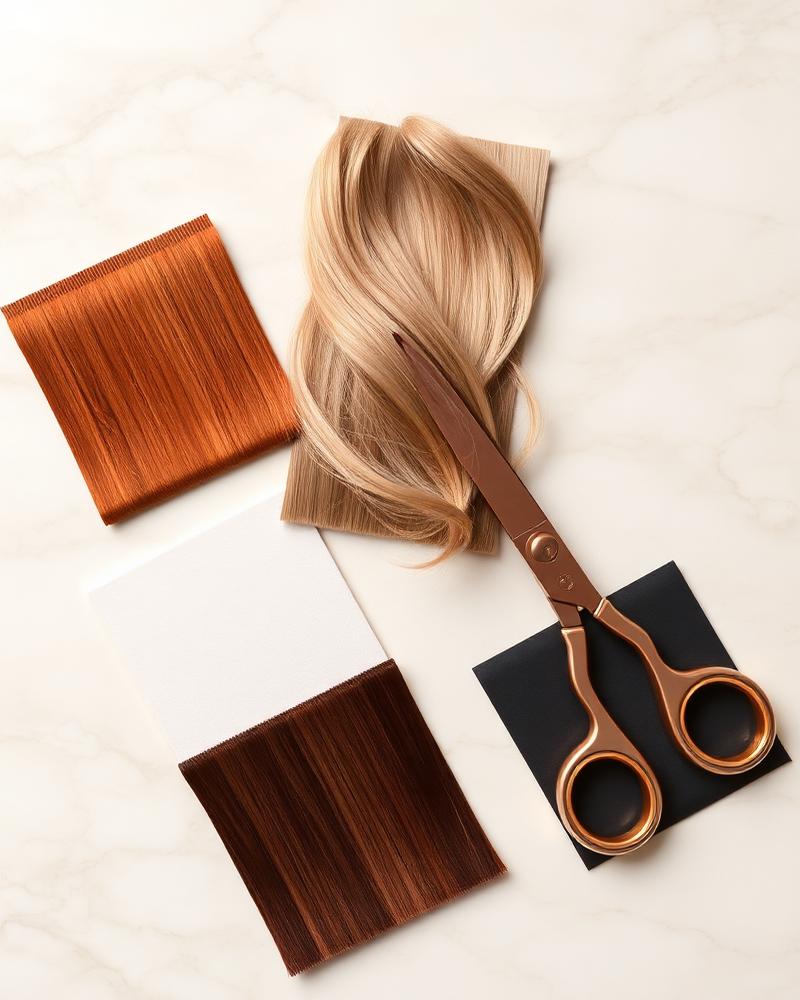
Cool undertones glow in muted auburn and mahogany copper; warm undertones suit bright penny and ginger. Colour-safe shampoo and a weekly gloss are what keep copper from fading orange.
Introduction
Copper has been the most requested colour family in salons for three years running, and it is not slowing down. Part of the appeal is how flattering warmth is against skin — copper reflects light back onto the face in a way that ash tones simply do not. The other part is range. Copper is not one colour but an entire spectrum, running from the palest strawberry through bright penny to a mahogany so deep it reads brunette indoors. Choosing well is mostly a question of matching the intensity of the shade to your own contrast level and undertone, then committing to the aftercare that keeps red pigment where you want it. This guide covers how to identify your undertone in thirty seconds, the six copper shades worth asking for, exactly what to say at your appointment, and the maintenance routine that stretches vibrancy from four weeks to ten.
Finding your copper undertone
Copper runs from pale strawberry to deep mahogany, and the fastest way to narrow the range is to look at the jewellery that flatters you most. If gold makes your skin look lit from within, you have warm undertones and can carry bright, saturated penny copper. If silver is more flattering, you are cooler and will look richer in muted auburn, brick and mahogany.
The second variable is contrast. Look at the difference between your natural hair colour and your skin. High-contrast people — very fair skin with dark hair, or deep skin with dark hair — can carry a vivid copper without it overwhelming them. Low-contrast people usually look best staying within two or three levels of their natural depth.
Eye colour is the tiebreaker. Green and hazel eyes intensify against copper, which is why the combination looks so striking. Cool blue eyes tend to pair better with the softer, dustier end of the range.
The most requested copper shades
These six shades cover almost every copper request our editors see. Bring a photo of the one closest to your goal, in natural daylight rather than salon lighting.
Strawberry and rose copper
The softest entry point, sitting between blonde and red. It blends beautifully with natural blonde regrowth, which makes it the lowest-maintenance option in the family. Best on fair skin with either undertone.
Penny and ginger copper
The bright, high-impact version — saturated, glossy and unmistakably red. It looks best on warm undertones and needs the most upkeep, because vivid copper is the fastest shade of all to fade.
Auburn and mahogany copper
Deeper and cooler, with a brown base and copper reflection. In low light it reads almost brunette, then catches red in the sun. It is the easiest copper to maintain because the darker base masks fading, and it is the safest choice for cool undertones.
Copper balayage and money-piece copper
If you are not ready for all-over colour, hand-painted copper through the mid-lengths or a copper money piece around the face gives you the warmth with a soft grow-out and no root line.
What to expect at your appointment
Going copper from a natural base is usually a single-process colour and takes about two hours. Going copper from previously lightened or box-dyed hair takes longer, because your colourist has to fill the hair with warmth first so the copper has something to grab onto — skip that step and the colour turns muddy or patchy within two washes.
Going copper from dark brown or black requires lightening, and that is where cost and risk climb. Expect two or more sessions if you want a bright penny shade from a level two or three base.
Ask for a strand test if you have any colour history at all. Ten minutes at the start of the appointment is much cheaper than a correction afterwards.
Keeping copper from fading
Red pigment molecules are the largest in hair colour, so they sit closest to the cuticle surface and are the first to wash out. Everything in copper aftercare comes back to keeping the cuticle closed and the pigment topped up.
Wash with cool water and a sulphate-free, colour-safe shampoo, and wash less often — every third day if you can. Heat opens the cuticle, so lower your dryer temperature and use a heat protectant with every hot tool.
Add a colour-depositing conditioner or mask once a week. It replaces the pigment lost in washing and is the difference between copper that stays glossy and copper that turns brassy orange by week four.
Book a salon gloss every six to eight weeks. A gloss refreshes tone and shine for a fraction of the cost of a full colour service, and it is the single most effective thing you can do between appointments.
Sun, chlorine and hard water
Copper oxidises quickly in strong sun, so use a UV protectant spray in summer and wear a hat on beach days.
Chlorine and hard water both strip red fast. Rinse with bottled or filtered water after swimming, and consider a shower filter if your area has hard water — it also helps with the dullness that mineral build-up causes.
Budget, upkeep and salon conversations
Copper is one of the more demanding colours to maintain, and it is worth pricing the whole year rather than the first appointment. A full copper transformation on virgin hair typically takes two to three hours in the chair, and most people return every six to eight weeks for a gloss to top the tone back up. Between those visits a colour-depositing conditioner used once a week does most of the heavy lifting for a fraction of the cost.
Bring photographs to the consultation, but bring two kinds: one showing the shade you want, and one showing a shade you actively dislike. Colourists consistently say the second image is the more useful of the two, because copper covers an enormous range from soft strawberry through to deep penny, and 'warm red' means something different to everybody.
Be honest about previous colour, especially box dye and any henna, because both change how the hair lifts and can turn a predictable service into an unpredictable one. A colourist who knows what is already on the hair can plan around it; one who is surprised halfway through cannot.
Pros
- ✓Flattering warmth against most complexions
- ✓Grows out far softer than platinum
- ✓Looks expensive with minimal styling
- ✓Balayage and money-piece versions offer a low-commitment start
Cons
- –Fades faster than any other shade family
- –Needs colour-safe products and a weekly depositing mask
- –Going copper from dark hair can take multiple sessions
Expert Tips
- Wash with cool water — heat opens the cuticle and releases pigment.
- Add a colour-depositing mask once a week between salon visits.
- Use UV protection in summer; copper oxidises quickly in strong sun.
- Ask for a gloss at week six rather than waiting for a full re-colour.
- Bring daylight photos, not salon-lit ones — copper shifts dramatically under warm bulbs.
Products We Recommend
Affiliate links — we may earn a commission at no extra cost to you.
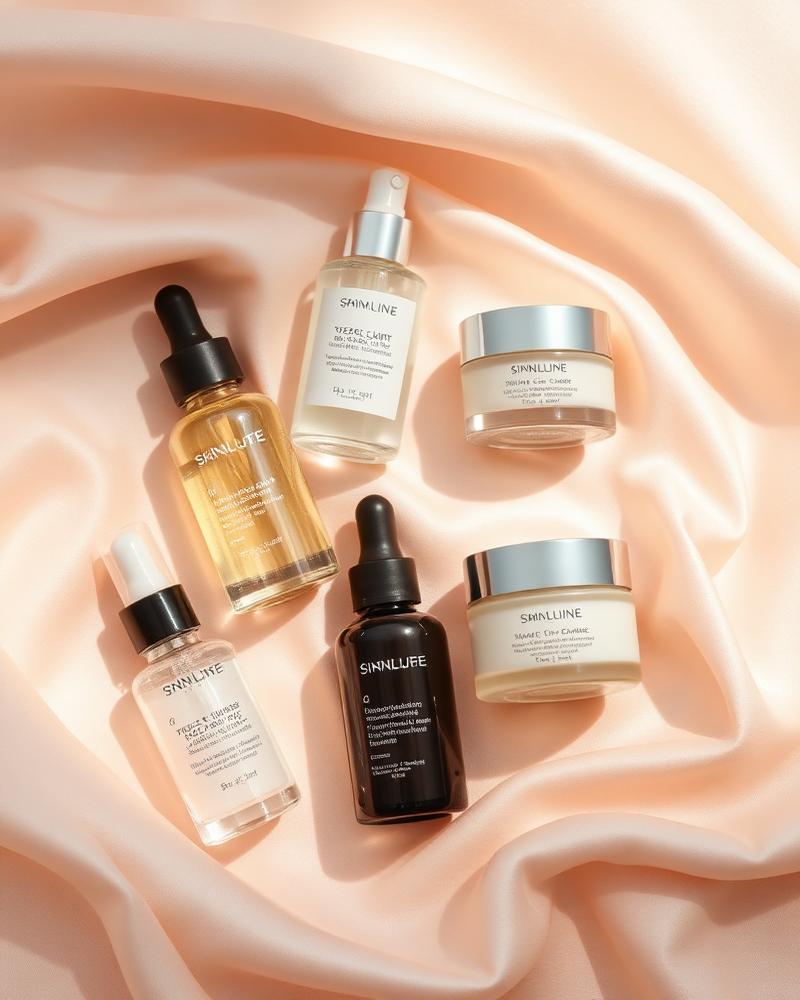
Colour Care Everyday Essential Kit
A salon-quality result you can repeat at home in under ten minutes.
- ✓Editor tested for 8 weeks
- ✓Suits sensitive skin and scalp
- ✓Refillable, travel friendly
Link not live yet — we only publish retailer links once a product has been tested.
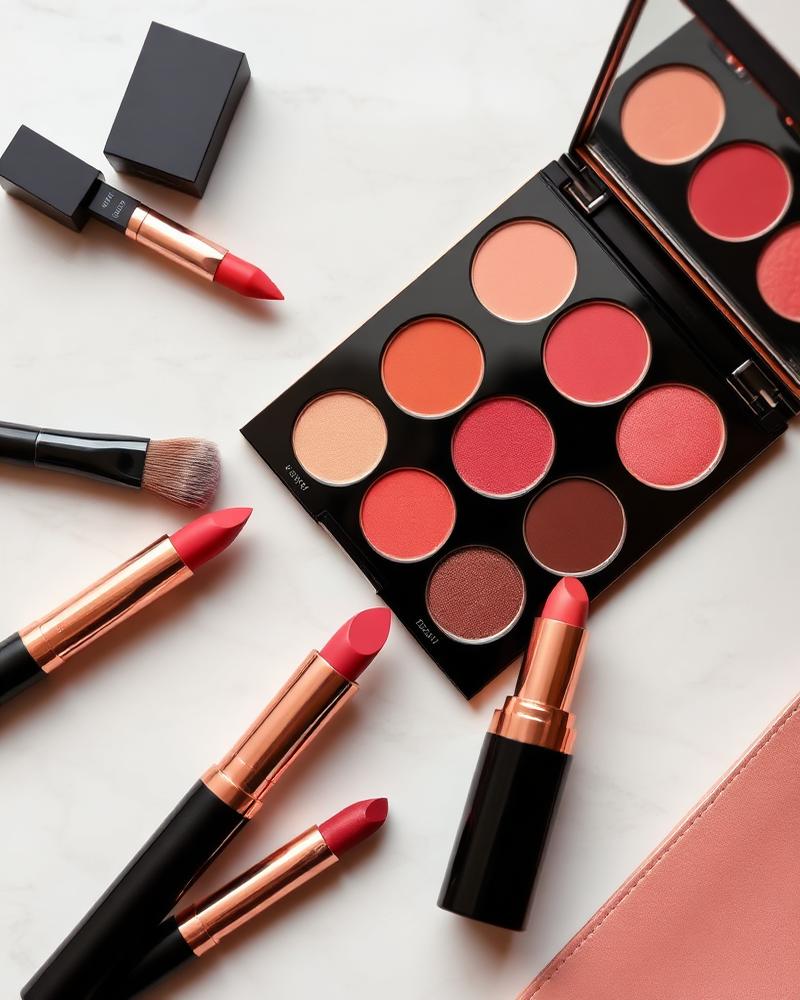
Colour Care Pro Finishing Tool
The finishing step that makes the whole look feel professional.
- ✓Even, long-lasting finish
- ✓Heat and damage protection
- ✓Great value for the price
Link not live yet — we only publish retailer links once a product has been tested.
Save These Pins
Frequently Asked Questions
Final Takeaway
Copper works on far more people than its reputation suggests — the trick is matching the intensity to your undertone rather than copying a shade from a photo. Warm undertones can go bright; cool undertones should stay in the auburn and mahogany range; anyone nervous about commitment should start with a copper balayage or money piece. Once the colour is on, treat maintenance as part of the look rather than an afterthought: cool water, sulphate-free shampoo, a weekly colour-depositing mask and a gloss every six to eight weeks. Do that and a shade most people write off as high-maintenance will stay rich and glossy for months rather than weeks.
Amelia Rose
Hair & Styling Editor
Amelia Rose covers hair color, cut and styling trends for Glowora, testing techniques and consulting stylist-published guidance before writing. Articles are updated as trends and product formulations change.
Comments
Related Articles
Free beauty inspiration, every week
Weekly trending pins, seasonal beauty guides and the looks worth saving — straight to your inbox.
No spam. Unsubscribe any time.