Hairstyles
25 Trending Hairstyles Everyone Is Saving Right Now
Written by Amelia Rose, Hair & Styling Editor
Last updated Jul 24, 2026 9 min read
Quick Summary
Layered, movement-heavy cuts are dominating this season. Ask your stylist for face-framing pieces, keep length through the back, and style with a round brush plus a light texture spray.
Introduction
Hair right now is all about movement. After several seasons of blunt, one-length cuts, salons have gone back to layering — but with a much lighter hand, so ends still look thick and healthy while the shape moves when you do. That combination is exactly why these cuts travel so far online: they photograph beautifully, they suit a huge range of face shapes, and most of them can be styled in under ten minutes with a round brush. This guide walks through the twenty-five looks our editors see requested most, grouped by hair length so you can jump straight to your own. For each one you will find who it flatters, the precise wording to use with your stylist, the styling routine that keeps it looking salon-fresh, and how often it needs trimming. Read it before your next appointment and you will walk in able to describe exactly what you want.
Why these hairstyles are trending
The current wave of hairstyle trends is built around softness and movement. Stylists are cutting internal layers — layers removed from underneath rather than off the surface — which takes weight out without visibly shortening the ends. The result is a cut that looks fuller in a ponytail than it does blow-dried flat, which is the opposite of the heavily thinned cuts of a decade ago.
There is a practical reason these looks have stuck around too. Lived-in cuts are forgiving. A shape built on soft layers still reads as intentional at week ten, so most people can stretch to three or four salon visits a year rather than six. Combined with the shift toward lower heat styling, it is a trend that saves both money and hair health.
Colour has followed the same logic. Rather than high-contrast highlights, colourists are placing brightness where the layers naturally fall so the two techniques amplify each other. If you are booking a cut and colour together, mention that you want the colour to follow the layer placement.
The most saved cuts right now
Twenty-five looks is a lot to scroll, so here are the five that account for the overwhelming majority of salon requests, and what separates each of them.
Butterfly layers
Short internal layers around the crown create lift, while the outer length stays untouched. When you tuck the shorter pieces behind your ears the cut reads as a shoulder-length shag; let them out and it reads as long hair with volume. It is the most versatile cut on this list and works from shoulder length downward.
Butterfly layers need at least medium density to look full. On fine hair, ask for fewer, deeper layers rather than many shallow ones.
Curtain bangs
The low-commitment favourite. A curtain fringe is cut longest at the outer edges and shortest in the centre, so it frames the face without the maintenance of a full blunt fringe. Growing it out takes weeks rather than months because it simply blends into your face-framing layers.
The invisible-layer long bob
A collarbone-length bob that looks blunt from the front but has hidden layers underneath for movement. It is the strongest choice for thick hair that usually goes triangular at the ends.
The soft shag and the wolf cut
Both add heavy texture and a shorter crown. The shag is the softer, more wearable version; the wolf cut is shorter on top and far more dramatic. Neither suits hair that is fine and straight without a texture product.
How to ask your stylist for the look
Bring two photos: one of the cut from the front and one from the back. Reference images are far more reliable than names, because a butterfly cut in one salon is a long shag in another.
Then use specific language. Ask for face-framing layers that start at a named point — the cheekbone, the jaw or the collarbone — rather than saying 'a bit of layering'. Ask for internal layers instead of surface layers if you want volume without losing thickness at the ends.
If your hair is fine, request point cutting rather than thinning shears. Thinning shears remove density in a band across the hair, which is what causes the wispy, see-through ends that fine hair never recovers from between cuts.
Finally, be honest about your styling habits. If you will not blow dry, say so — a good stylist will cut a shape that air dries well instead of one that only works with a round brush.
Styling it at home
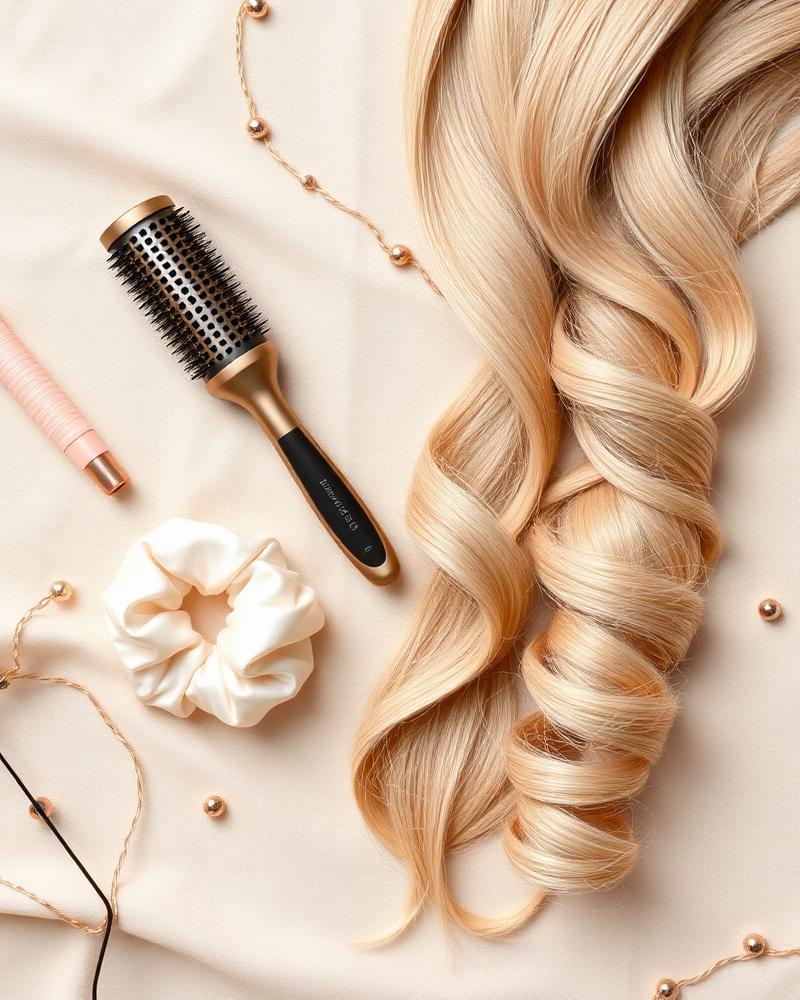
Rough dry to about eighty percent with your fingers, directing the roots away from your face. Only reach for the round brush at that point, and only on the front sections — the pieces that frame your face do the visual work, and the back rarely needs it.
For waves, two or three large-barrel curls through the mid-lengths are enough. Alternate the curl direction and leave the last inch of hair straight so the finish reads as lived-in rather than set. Let the curls cool completely before you touch them; that cooling stage is what makes a style hold all day.
Finish with a texture spray at the roots and a single drop of lightweight oil emulsified between your palms and pressed onto the ends. Texture spray on the ends and oil at the roots is the most common mistake, and it flattens the whole shape.
Styling by hair type
Fine hair: mousse at the roots on damp hair, and rough dry upside down. Skip heavy creams entirely.
Thick hair: apply a smoothing cream to the mid-lengths before drying and finish the front sections with a flat brush rather than a round one to avoid volume in the wrong place.
Curly hair: style layers wet with a leave-in and a gel cast, diffuse on low speed and high heat, then scrunch out the cast once fully dry.
Keeping the shape between salon visits
Layered cuts blur as they grow, so trims matter more than they do on one-length hair. A trim every ten to twelve weeks keeps the layers reading as layers; leave it much longer and the shape gradually collapses back into a single length.
Between appointments, protect the ends. Layered ends are the oldest hair on your head and show damage first, so heat protectant before every hot tool is non-negotiable, and a bonding or protein-balanced treatment every second wash keeps them from splitting.
If you are stretching an appointment, a dry trim on the face-framing pieces only will buy you a few more weeks. Ask for a 'fringe and face-frame refresh' — most salons offer it at a fraction of a full cut price.
Pros
- ✓Grows out softly, so fewer salon visits
- ✓Adds volume without sacrificing length
- ✓Works across straight, wavy and curly textures
- ✓Most versions style in under ten minutes
Cons
- –Needs a texture product to look intentional
- –Very fine hair requires careful, minimal layering
- –Blurs quickly without a ten to twelve week trim
Expert Tips
- Book a trim every 10 to 12 weeks to keep layers defined.
- Blow dry the front sections away from the face for salon-style volume.
- Use a heat protectant every single time — layered ends show damage first.
- Let curls cool completely before brushing them out; that is what makes them last.
- Ask for point cutting rather than thinning shears if your hair is fine.
Products We Recommend
Affiliate links — we may earn a commission at no extra cost to you.
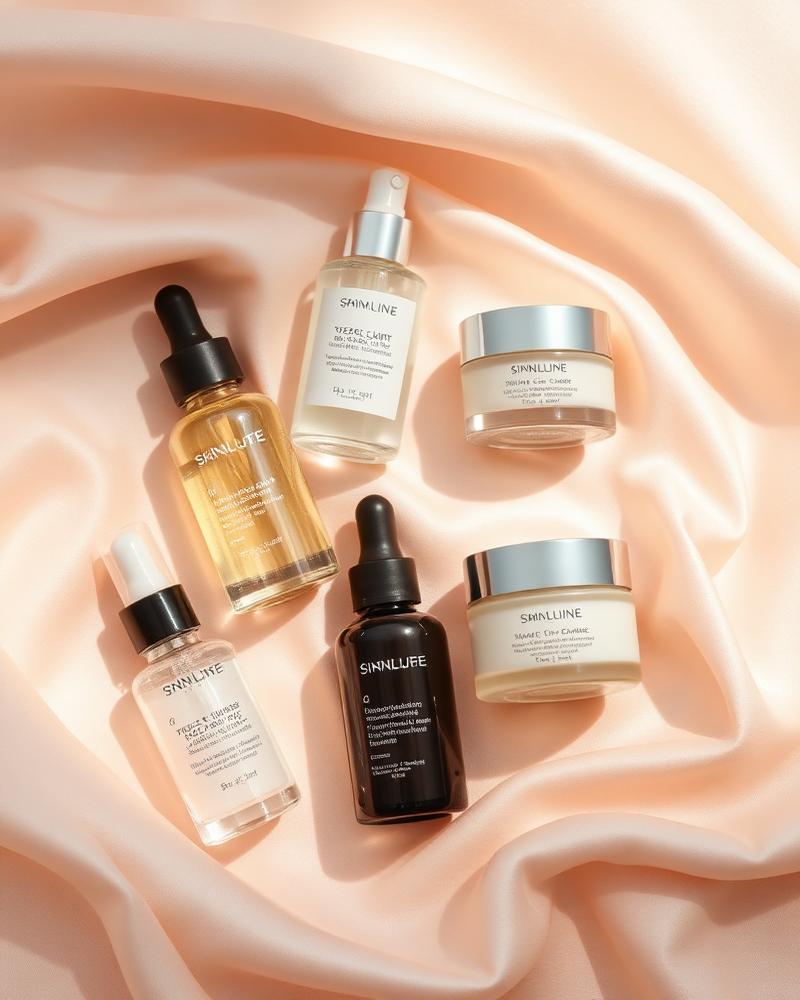
Hair Everyday Essential Kit
A salon-quality result you can repeat at home in under ten minutes.
- ✓Editor tested for 8 weeks
- ✓Suits sensitive skin and scalp
- ✓Refillable, travel friendly
Link not live yet — we only publish retailer links once a product has been tested.
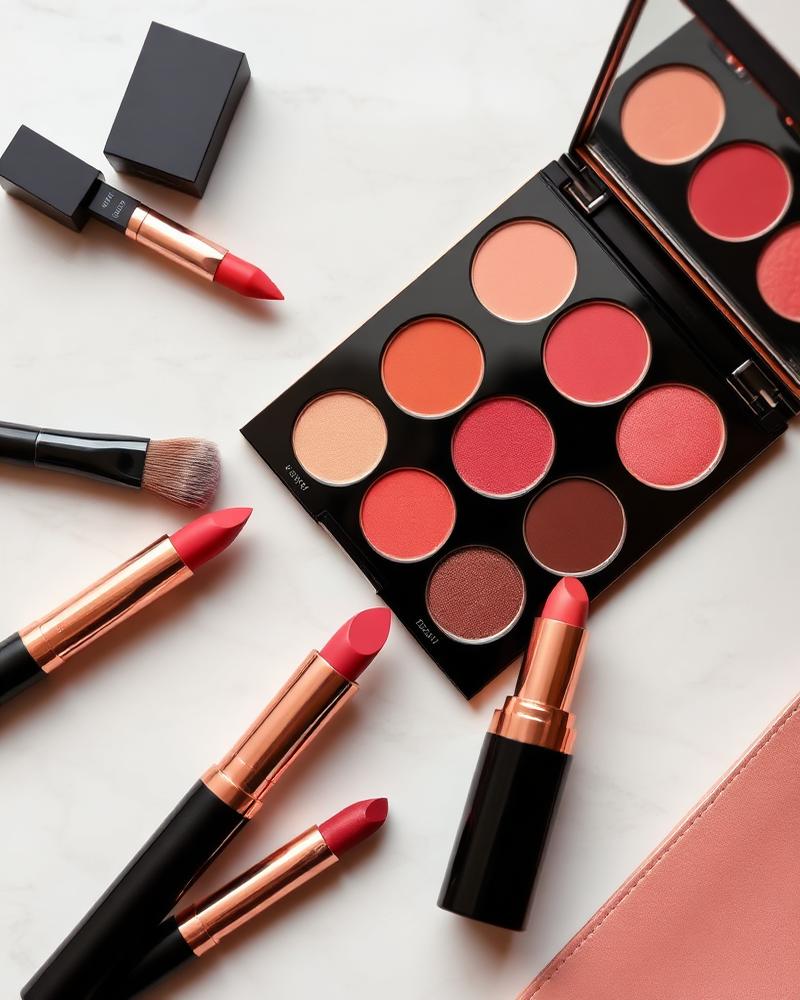
Hair Pro Finishing Tool
The finishing step that makes the whole look feel professional.
- ✓Even, long-lasting finish
- ✓Heat and damage protection
- ✓Great value for the price
Link not live yet — we only publish retailer links once a product has been tested.
Save These Pins
Frequently Asked Questions
Final Takeaway
The thread running through every one of this season's most-saved hairstyles is the same: soft internal layers, face-framing pieces you can actually name to your stylist, and a styling routine short enough to repeat on a weekday. Start with a photo from the front and back, ask for layers by the point on your face where they should begin, and match the cut to how you genuinely style your hair rather than how you wish you did. Book a trim at the ten-week mark, use heat protectant every single time, and keep texture spray at the roots and oil on the ends. Get those basics right and almost any cut on this list will grow out beautifully instead of needing a rescue appointment.
Amelia Rose
Hair & Styling Editor
Amelia Rose covers hair color, cut and styling trends for Glowora, testing techniques and consulting stylist-published guidance before writing. Articles are updated as trends and product formulations change.
Comments
Related Articles
Free beauty inspiration, every week
Weekly trending pins, seasonal beauty guides and the looks worth saving — straight to your inbox.
No spam. Unsubscribe any time.